Natural Strategies to Manage Dust Allergies at Home
Discover effective natural and medical strategies to manage dust allergies. Learn symptom recognition, home remedies, preventive tips, and long-term solutions to reduce exposure and alleviate symptoms. Creating a clean living environment and consulting healthcare professionals can significantly improve quality of life for allergy sufferers.
Sponsored
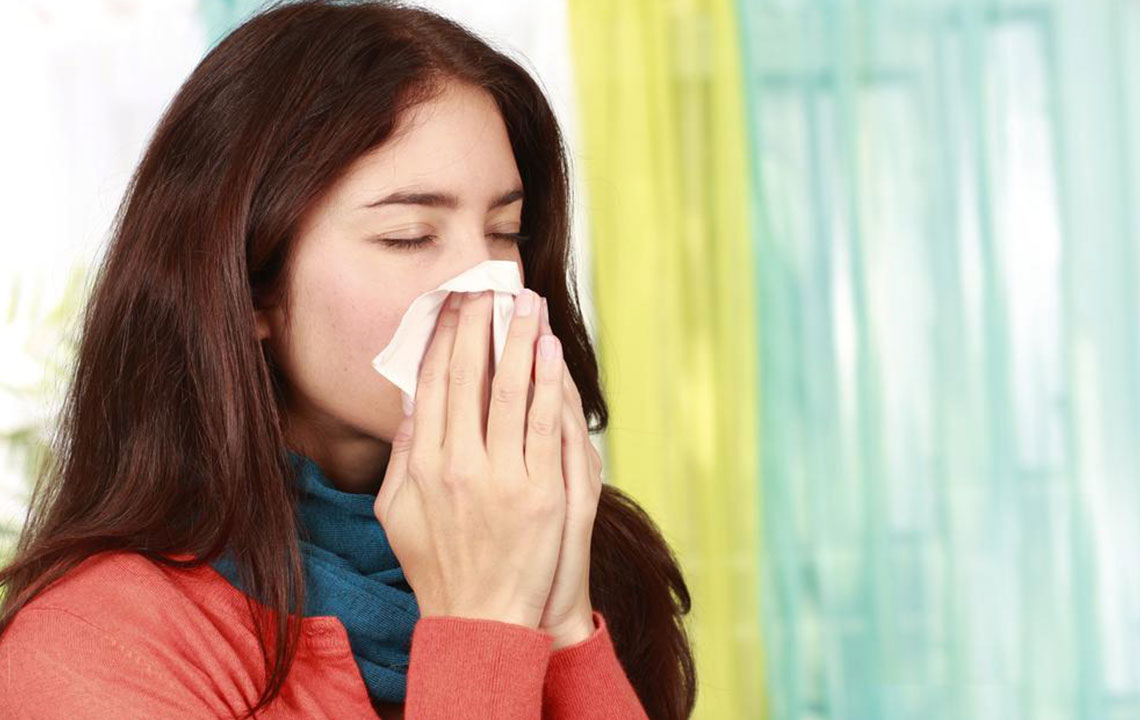
In modern times, allergic reactions to various environmental agents like dust, pollen, and smoke are increasingly common. Individuals with compromised immune systems are especially vulnerable. Dust allergies are mainly caused by dust mites, pet fur, pollen, and cockroaches. Recognizing symptoms such as frequent sneezing, watery eyes, nasal congestion, and itching can indicate an allergy. The key to mitigation is minimizing contact with these triggers.
Reducing exposure and implementing lifestyle changes are effective ways to prevent and control dust allergies. Here are several natural and medical approaches to help manage symptoms:
Medications for Relief
Over-the-counter antihistamines help alleviate sneezing and itching
Nasal corticosteroids reduce inflammation with fewer side effects
Decongestants ease nasal congestion and breathing difficulties
Immunotherapy, including allergy shots, offers long-term relief
Home Remedies for Dust Allergy Relief
Saltwater Gargles strengthen immune defenses by supporting adrenal health, helping your body become more tolerant to allergens.
Peppermint Tea has anti-inflammatory and antibacterial properties, aiding in nasal decongestion and providing quick relief from allergy symptoms.
Horseradish contains compounds that help clear nasal passages; grated horseradish mixed with water can be consumed for relief.
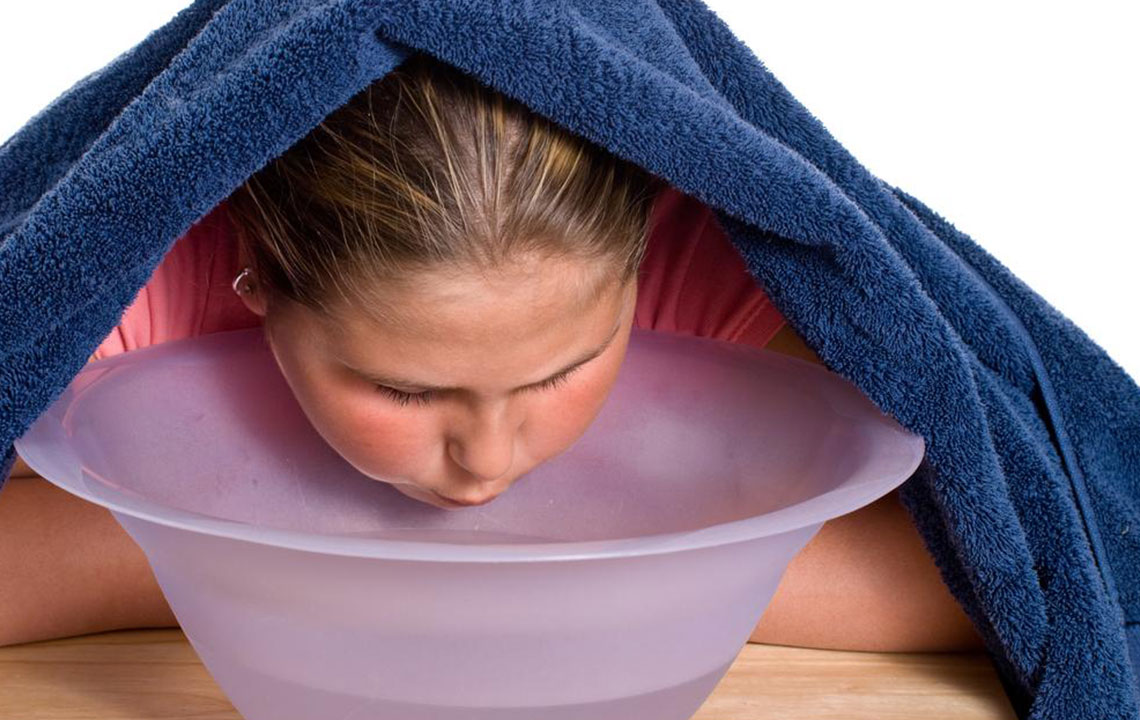
Steam Inhalation opens clogged nasal passages and removes trapped dirt, offering comfort but not a cure for allergies.
Preventive Measures for Long-Term Control
Create a Dust-Free Environment Keep your room tidy, avoid clutter, and store items that collect dust outside the bedroom. Shoes should also be kept outside.
Maintain Cleanliness Regularly wipe surfaces with a damp cloth, vacuum with HEPA filters, and keep humidity levels between 30-50% to inhibit dust mite growth.
Protect Yourself During Travel Wear masks, keep windows closed, and avoid dusty environments whenever possible.
Keep Workspaces Dust-Free Dust off old files and supplies, wear masks if necessary, and maintain good hygiene practices at work.
Allergy management requires consultation with healthcare professionals before starting medications. Home remedies can supplement treatment, but professional guidance is recommended.